Most club treasurers are volunteers doing their best with a biscuit tin and a notebook. The point of the system below is not to suggest anyone is dishonest. It is to protect the volunteers, so that if a question is ever asked, the answer is on paper.
The guidance Irish charities follow
The Charities Regulator publishes Internal Financial Controls Guidelines for Charities, with sections on income from public collections, events and trading, and on banking and cash. Checklists based on that approach ask questions such as whether all incoming cash is recorded immediately, whether receipts are issued for all cash received, whether cash is lodged promptly, whether money is banked in full before expenses are deducted, and whether the volunteers who record and issue receipts are rotated.
Concern Worldwide's guidelines for its volunteer fundraisers put it simply: cash should be collected, counted and recorded by at least two people, and held securely until it can be lodged.
Even if your club is not a registered charity, these are sensible standards to borrow.
A simple cash system for clubs and schools
1. Issue a numbered receipt for every payment
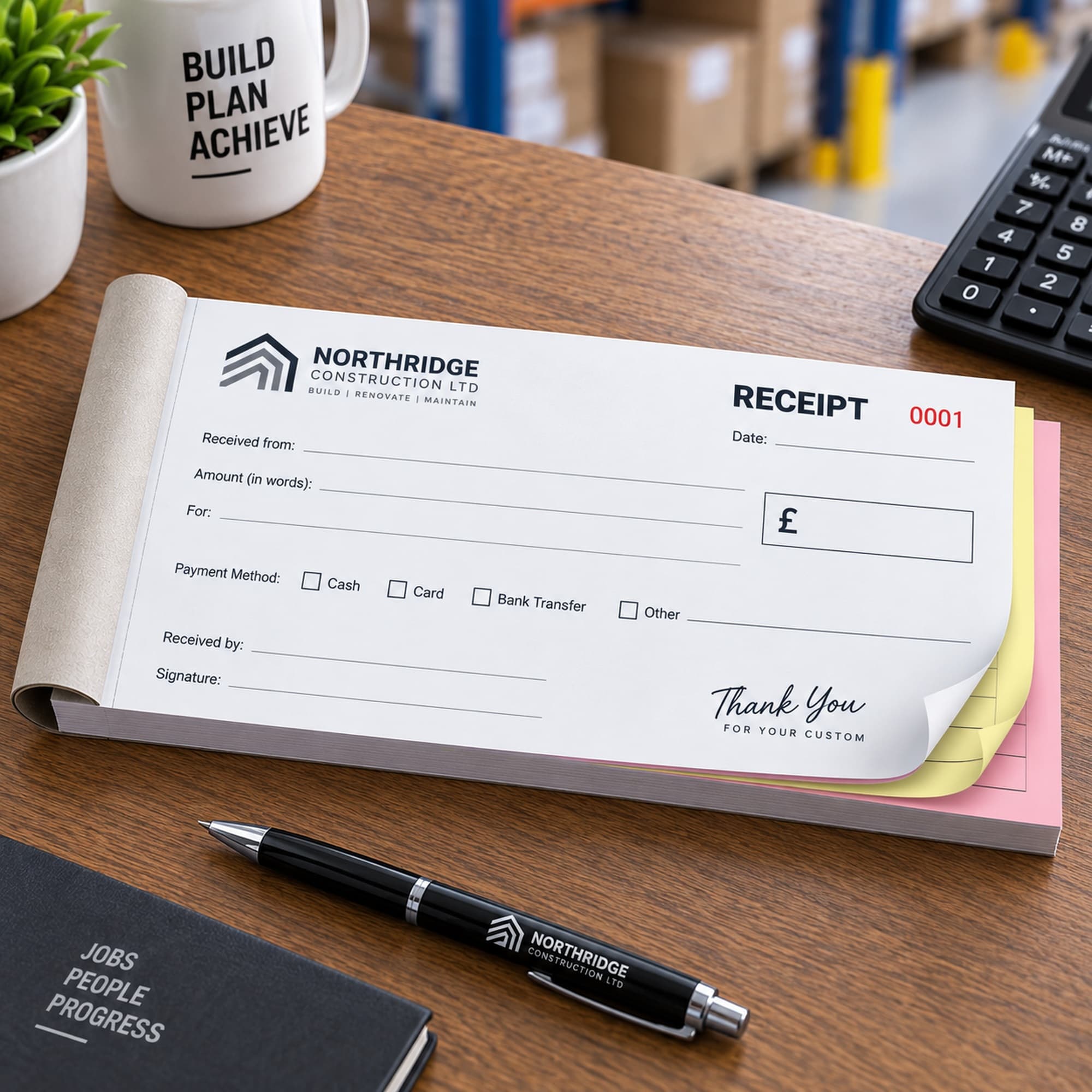
Subs, registrations, lotto, raffle tickets sold in bulk, hall hire, uniform money: every payment gets a receipt from a numbered book at the moment it is paid. Write who paid, how much in figures and in words, what it was for, and the method of payment. How does a receipt book work, and how many receipts are in one? walks through each line.
2. Count with two people
At the end of a session or event, two people count the cash together, write the total on a count sheet and both sign it. Where receipts were issued, the count should match the receipts written since the last count.
3. Lodge promptly and in full
Lodge the whole amount, then pay expenses separately from the bank account. Paying the referee or the caterer out of the cash box before lodging is one of the most common reasons club accounts stop adding up.
4. Record the lodgement against the receipts
On the lodgement slip or in the cash book, note the date and the receipt number range it covers, for example "Receipts 0451 to 0478".
5. Have someone else check
Once a month, someone other than the collector, such as the chairperson or an auditor, compares the receipt book with the bank statement. Any gap in the numbering is explained there and then.
Books, not loose slips
Loose receipt pads and raffle-style slips are easy to lose and impossible to audit. A bound book with printed sequential numbers keeps every receipt and its copy in order. Rules that help:
- Give each collector their own book and record which number range they have.
- Never tear out a spoiled receipt. Write CANCELLED across both copies.
- Hand finished books to the treasurer, not the bin.
Duplicate or triplicate?
Duplicate suits most clubs: the payer gets one copy and the book keeps the other. Triplicate is useful where a collector, such as a team manager, takes money at training and passes it to the treasurer. The middle copy goes with the cash, so the treasurer has a record of what should be in the envelope, while the collector's book keeps its own copy.
Do you have to give receipts?
For everyday sales, Irish consumer law does not strictly require one, as Do businesses have to give a receipt in Ireland? explains. For a club handling members' money, though, a receipt for every payment is the single best habit you can adopt.
Keeping the records
Keep finished receipt books with the rest of the club's financial records. Your constitution, grant funders and auditors may set their own periods. Six years is a common standard and matches Revenue's general rule for business records.
Receipt books for clubs, schools and charities
Discoverprint prints personalised receipt books for clubs, schools and charities, with your crest, name and receipt wording printed in black ink and numbered in sequence on every part. Duplicate books hold 100 receipts and triplicate books 50, in A4, A5, A6 or DL, with free design and free delivery anywhere in Ireland. See the full NCR books range.