What the law says about receipts for consumers
When the Irish Times put the question to the Competition and Consumer Protection Commission, the answer was clear: there is no legal obligation under consumer protection law for a business to provide a receipt for goods. The CCPC added that the vast majority of traders issue receipts automatically or on request.
That does not weaken the customer's rights. A customer who bought faulty goods still has the same rights with or without a receipt. What changes is how easily they can prove the purchase.
What counts as proof of purchase?
The CCPC tells consumers that a business is entitled to ask for proof of purchase before dealing with a faulty item, and that a receipt is the easiest form of it but not essential. A card or bank statement, a delivery docket, or other documents showing the item was bought from that business can also be accepted. If an item was a gift, the person who bought it may need to provide the proof.
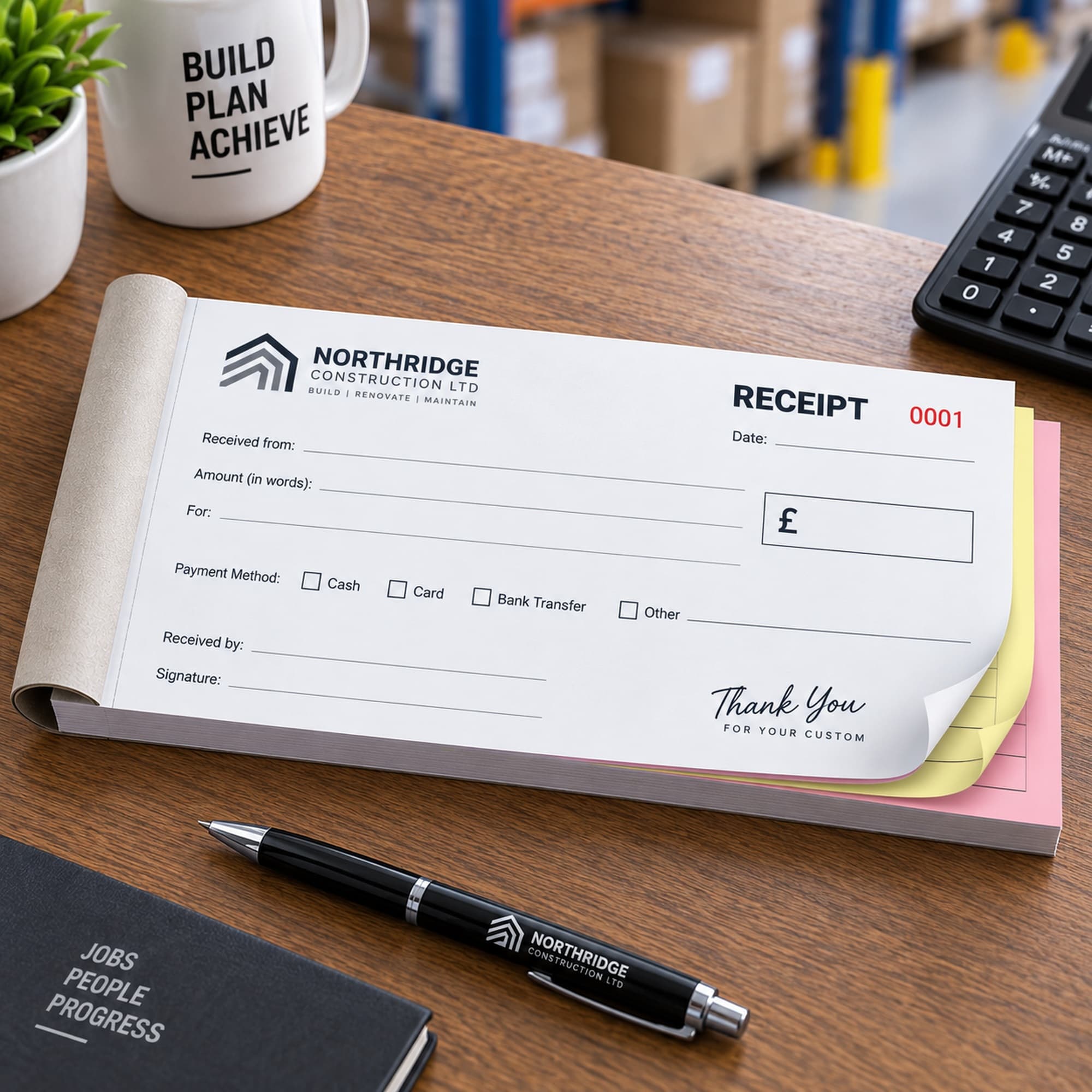
For a business, that means your own records matter too. If a customer paid cash and has no receipt, the copy in your receipt book or docket book may be the only record that settles the matter. How does a receipt book work, and how many receipts are in one? explains how to fill in receipts so they hold up.
When you do have to issue a document
The VAT rules are where obligations come in. Revenue says a VAT-registered business must issue a VAT invoice when it supplies:
- another VAT-registered business
- a government department, a local authority or a statutory body
- a business that carries on an exempt activity
- a business in another EU country
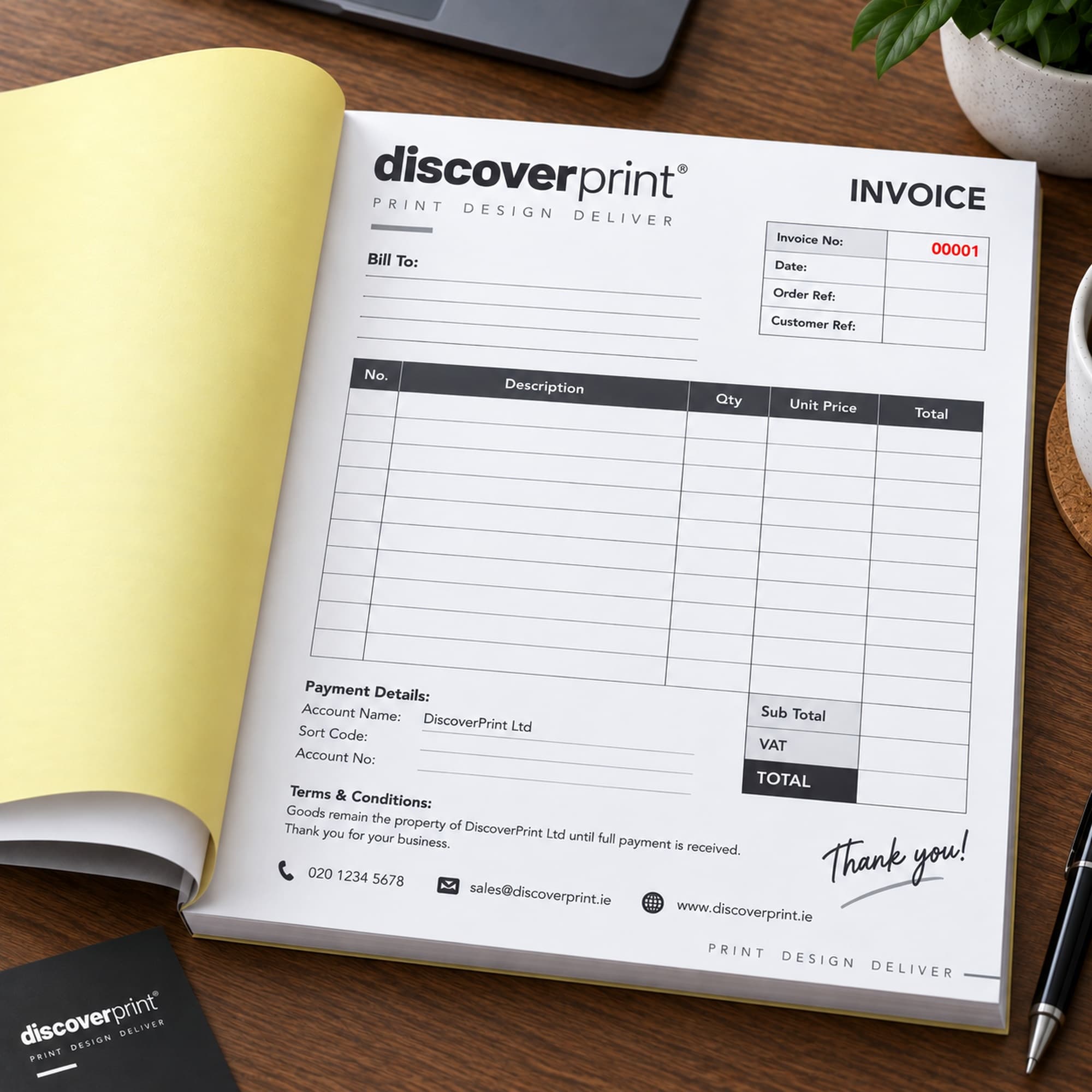
A plain receipt does not replace a VAT invoice for these customers. For small sales, Revenue allows a simplified invoice where the amount is not more than €100, showing the date, your name, address and VAT number, a description, and the VAT or the price excluding VAT. The full requirements are in Are handwritten invoices legal in Ireland?
Why give receipts even when you do not have to
- Fewer disputes. A receipt with the date, amount and description settles most "I paid you already" conversations.
- Your records. Revenue lists sales receipts among the documents that support a VAT-registered business's sales records. The copy in the book is part of that.
- Cash control. Numbered receipts show whether every payment taken was recorded, which matters for any business where more than one person handles money. Clubs and charities rely on this, as covered in How should a club, school or charity record cash payments?
- Trust. Customers paying cash for a service, such as tuition or a deposit on a job, feel more secure with something in writing.
Paper or email receipts?
Both are fine. Many shops now offer email receipts, and mywaste.ie encourages consumers to ask for them to cut down on thermal till paper, which mostly cannot be recycled. For businesses without a till, such as mobile traders, tutors, clubs and trades, a handwritten receipt from a numbered book is still the quickest option and needs no signal or battery.
Receipt, invoice or both?
If you are not sure which document your business should be giving, What is the difference between a receipt book and an invoice book? sets out when each is needed and when one form can do both jobs.
Numbered receipt books for businesses and clubs
Discoverprint's personalised receipt books are printed in black ink with your details and receipt wording, numbered in sequence on every part, in A4, A5, A6 or DL. A duplicate book holds 100 receipts and a triplicate book holds 50. Design is free and delivery is free anywhere in Ireland. See the full NCR books range.